

Stress affects everyone, no matter your age, background, or lifestyle. It can come from work deadlines, school pressure, difficult relationships, financial worries, or even from our own thoughts turning negative or overwhelming. What makes stress powerful is that it does not stay in the mind alone your body reacts to it too. Your breathing speeds up, your muscles tighten, your heart beats faster, and your thoughts start racing. Over time, this constant tension can make you feel tired, anxious, irritated, or emotionally drained. The good news is that stress is not permanent, and your body has natural mechanisms designed to calm you down. You simply need to activate them, and the easiest way to do that is through simple anti-stress exercises that fit into everyday life. Below are the three main categories of anti-stress exercises, broken down in the simplest way, so anyone can understand and practice them.
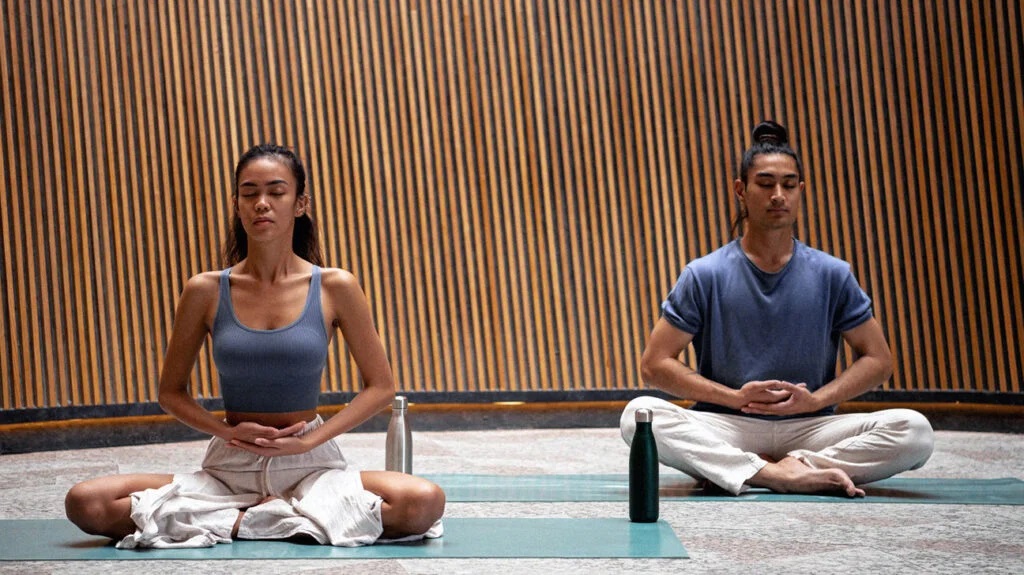
Breathing Exercises – How Slow Breathing Calms the Mind
Breathing might seem too simple to have any effect on stress, but it is actually one of the most powerful tools you have to control how your mind and body feel. When you’re stressed, your breathing becomes fast and shallow, even if you don’t notice it happening. This type of breathing tells your brain that something is wrong, which then increases stress hormones and keeps your body in a state of alertness. Controlled breathing works the opposite way. When you breathe slowly and deeply, especially into your belly, it sends a message to your brain saying that you are safe. As soon as your brain receives this message, it begins to lower your heart rate, relax your muscles, and reduce anxiety.
One of the reasons slow breathing works so effectively is because it gives your mind something simple and rhythmic to focus on. When your attention is on your breath, there is less space for stressful thoughts to run wild. This shift in focus is incredibly grounding, especially when your mind is overwhelmed, racing, or spiraling with worry. People often underestimate how quickly their body responds to breathwork. In just a few minutes, you can feel your shoulders drop, your heartbeat slow, and your mind become clearer. It’s like giving your nervous system a reset button.
Breathing exercises also teach your body how to react differently to stress in the future. Over time, the more you practice slow breathing, the quicker your body learns to calm down when stress shows up. Many people use these techniques before important meetings, during emotional moments, before bed, or whenever they feel overwhelmed. It’s a natural, safe, and easy method that works without any equipment or special environment. All you need is your breath, which is always with you. That’s why breathing exercises are considered the number one tool for calming stress fast and naturally.
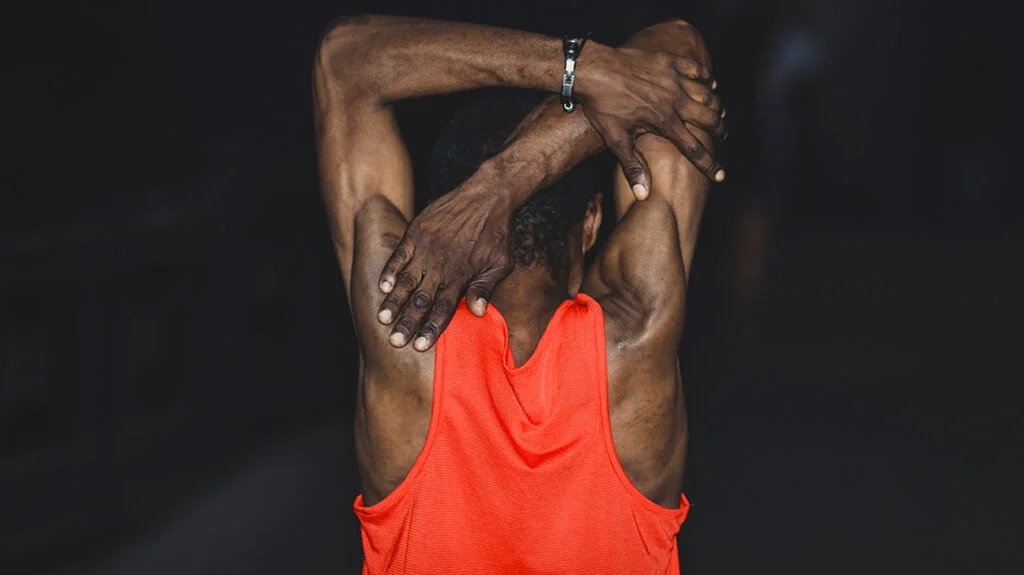
Muscle & Body Exercises – How Releasing Physical Tension Reduces Stress
Stress doesn’t only live in the mind. It settles into the body as physical tension. Think about the times you’ve felt stressed—your shoulders probably lifted without you noticing, your jaw clenched, your neck stiffened, or your stomach tightened. This happens because your body prepares itself to deal with danger, even if the danger is only thoughts in your head. Over time, this tension becomes a habit. You may not even realize how tense your body is until you try to relax it. Muscle and body exercises help release this hidden tension, which in turn reduces the emotional stress you feel mentally.
When you engage in gentle physical relaxation, your brain automatically gets the message that the body is safe. This communication between mind and body is powerful. When the body relaxes, the mind naturally follows. One of the most effective ways to release tension is to slowly tighten and then relax different muscle groups. This practice teaches your body the difference between being tense and being at ease. It’s surprising how much calmness you can create simply by letting your muscles soften. People often feel a wave of relief after relaxing their shoulders, jaw, or back—areas that silently hold the heaviest stress.
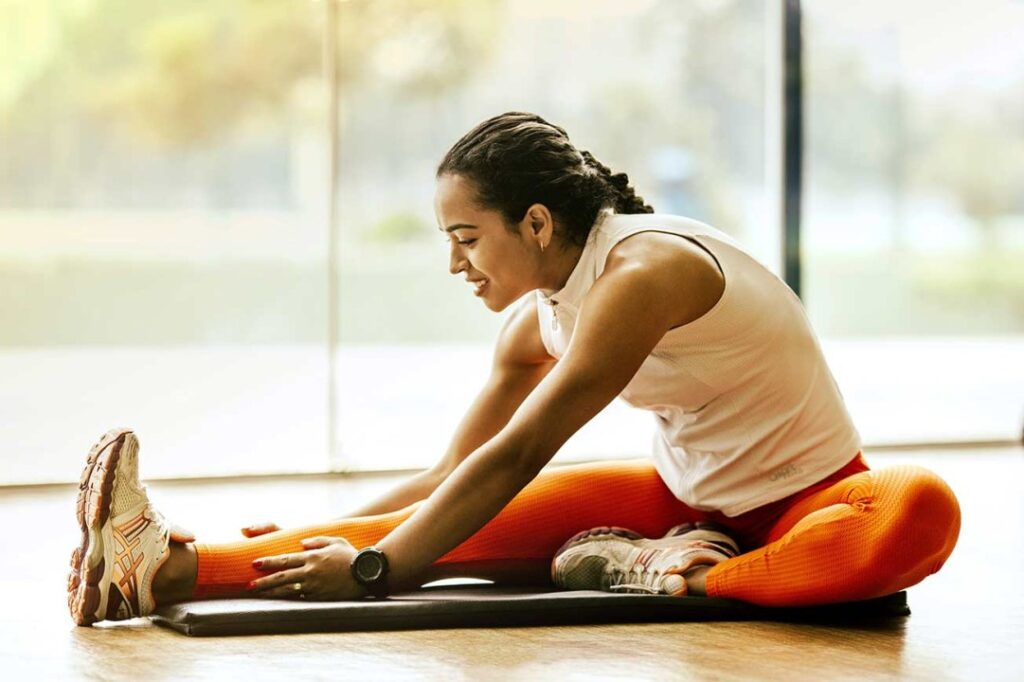
Stretching also plays a major role in stress relief. When your muscles stretch, your blood circulation improves, and your body feels lighter and more open. A simple neck stretch or shoulder roll can instantly reduce pressure and make you feel more balanced. Slow movement encourages the nervous system to shift away from that overwhelmed “fight or flight” mode and return to a more peaceful, grounded state. Even just standing up, stretching your arms, and taking a gentle forward bend can refresh your mind, improve your mood, and release the tightness that builds throughout the day.
Small physical actions can have big emotional effects because the body and mind are connected. When you ease physical tension, you’re giving your emotions room to breathe. Many people find that after relaxing their body, their thoughts become clearer, their mood improves, and their stress levels drop. These muscle and body exercises don’t require a gym, special clothing, or perfect technique. You can do them at work, at home, in the shower, or even while sitting on your bed. The key is simply to let your body relax so your mind can follow.
Mind & Daily-Life Exercises – Bringing Your Thoughts Back to Calm
While the body plays a huge role in stress, the mind is often the biggest source of it. Stressful thoughts, constant overthinking, imagining the worst, or worrying about things that haven’t happened yet can all create mental pressure that feels heavy and exhausting. Mind-focused exercises help you break out of this cycle. They teach your mind to slow down, focus, and return to the present moment instead of spinning into anxiety. Many times, the mind needs a simple anchor—something to hold onto that pulls it away from stress and brings it back to reality.
Mindfulness techniques, such as paying attention to your senses or focusing on your breath, help you reconnect with the present instead of being lost in your thoughts. When you pause to notice what you see, hear, or feel around you, it interrupts the pattern of overthinking and gives your brain a break from mental noise. This simple shift brings more clarity and calmness. Another helpful practice is writing down your thoughts. When you put your worries on paper, they stop floating around in your mind. It creates emotional space, helping you release mental tension. Tearing up the paper afterwards can even give your brain a symbolic feeling of letting go.
Daily routines also play a big role in managing stress. Small habits like taking mindful breaths while showering, enjoying your morning drink without rushing, stretching during breaks, or taking short walks can add up to massive improvements in how you feel. These simple actions prevent stress from building up throughout the day. They teach your mind to pause instead of reacting automatically to pressure. Over time, these tiny moments of calm help strengthen your emotional resilience, making stressful situations much easier to handle.
The mind needs regular rest just as much as the body does. When you practice even a few minutes of mental relaxation each day, you give yourself more control over how you feel. You become better at managing emotions, better at staying present, and better at protecting your peace. These mind-focused exercises don’t eliminate stress completely, but they make you stronger, more centered, and more capable of handling life’s challenges without feeling overwhelmed. They remind you that even when life gets stressful, your mind has the ability to find stillness and calm.
Final Thought
Stress will always be a part of life, but suffering from stress doesn’t have to be. When you understand how breathing affects your body, how tension builds in your muscles, and how your thoughts can create pressure, you gain the power to calm yourself naturally. Anti-stress exercises are simple, gentle, and deeply effective. With just a few minutes a day, you can train your mind and body to relax, recover, and handle life with more confidence and clarity. Your journey to a calmer life begins with small steps and every step counts.